


UC Davis Arboretum Awarded Level IV Accreditation
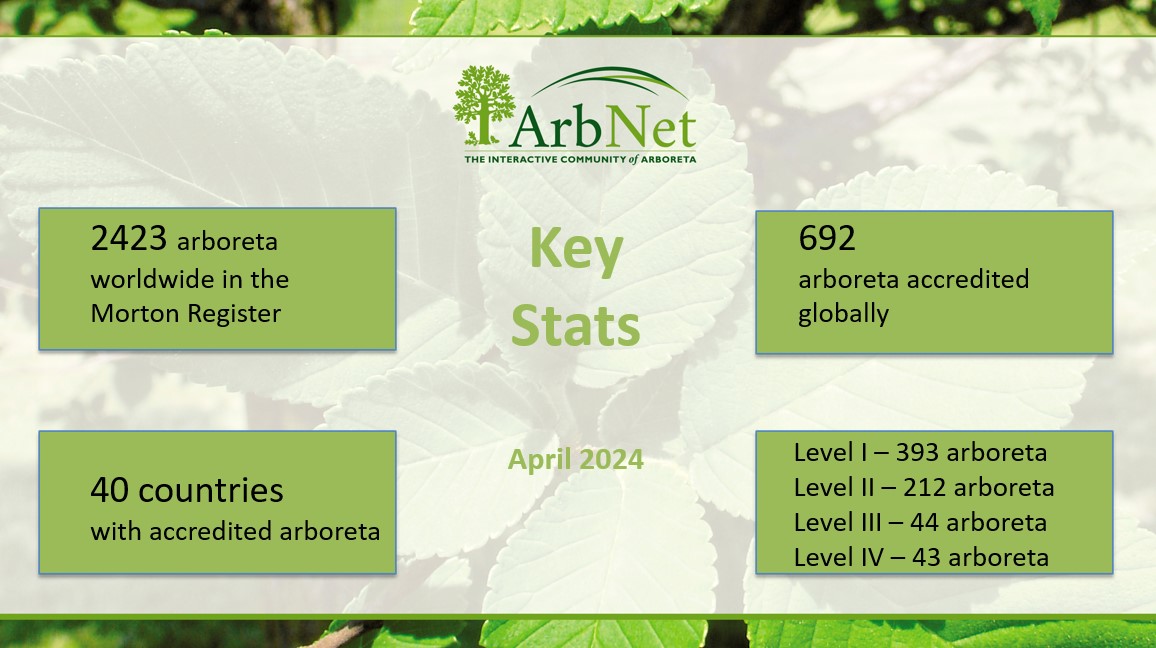
UC Davis Arboretum has been awarded a Level IV Accreditation through the ArbNet program. By achieving particular standards of professional practices deemed important for arboreta and botanic gardens, UC Davis Arboretum is now recognized amongst other professional public gardens in the Morton Register of Arboreta with the highest level of Arbnet accreditation.
Here's how UC Davis Arboretum tells its story:
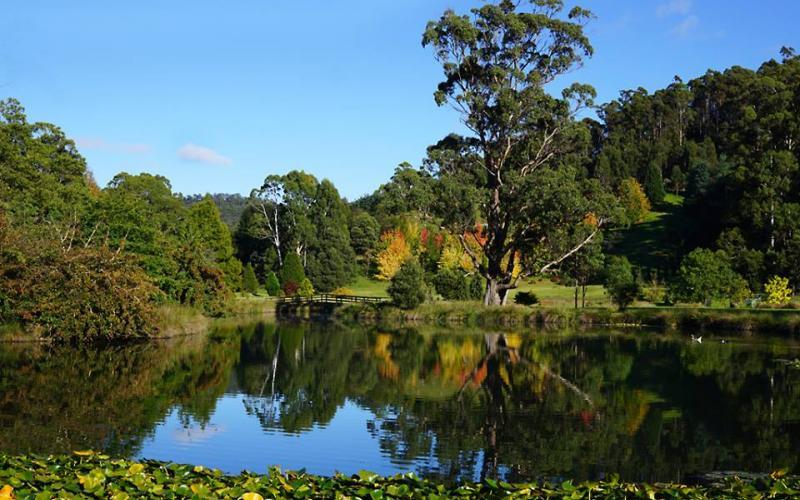
The UC Davis Arboretum was founded in 1936 to support education and research at the University of California at Davis. The Arboretum's collections are displayed in 96 acres of gardens along the old north fork of Putah Creek, and comprise 33,000 plants representing more than 2,500 species and varieties from Mediterranean climate areas throughout the world. The collections represent an enormous repository of information on plants that grow and thrive in California's Central Valley, where extreme summer heat, drying winds, heavy soils, and often poor water quality pose challenges to gardeners.
During the late 1950's and 60's, extensive taxonomic collections, most notably of oaks, acacias, and eucalypts, were established, and the Arboretum's curatorial record-keeping system was instituted. In the 1980's and 90's the Arboretum established several demonstration gardens of California native plants and drought-tolerant flowering shrubs and perennials. These continue to be developed as sites for horticultural trials of new plant selections and demonstration gardens illustrating landscape design, cultural techniques, and plants appropriate for low-water-use gardens in the arid West.
Until the 1980's, the Arboretum operated with a part-time faculty director and one professional staff member. In 1997, the University provided funds for the first full-time Arboretum director. We now have 22 career employees and about 75 student employees and interns each year. In 2001, the Arboretum conducted an extensive self-assessment and long-term planning process.
In 2009, the campus adopted a new comprehensive master plan that included the Arboretum GATEways Initiative (Gardens, Arts, and The Environment), a master planning framework for the Arboretum as an inviting campus portal and connection to campus research and teaching, with educational landscapes, public art, outreach centers, interpretive exhibits, performance spaces, and gathering areas. New GATEways landscapes include the Native American Contemplative Garden (partnership with the Native American Studies Dept.), Oak Discovery Trail, Arboretum Teaching Nursery, California Rock Garden (with the Geology Department), and the Animal Science GATEway Garden (with the Animal Science Dept.). Nature's Gallery Court is an inviting tree-lined courtyard featuring a ceramic mosaic mural composed of over 140 tiles hand-crafted by UC Davis students and community members. The tiles showcase drought-tolerant plants from the Arboretum and associated insects, celebrating the interactions between plants and insects and their critical role in the planet's health.
The GATEways initiative is a new model for a contemporary land-grant university that links the academic enterprise—research and teaching—with public engagement and outreach. Arboretum staff work with UC Davis faculty and students, along with community volunteers, to present innovative programs that "translate" UC Davis research and scholarship for visitors. The UC Davis Arboretum is a leader in informal science education. The GATEways initiative is designed to produce an engaging, multifaceted educational experience for campus visitors, while providing UC Davis students with leadership training and experiential learning opportunities.
An essential part of the Arboretum's mission is to promote sustainable California landscapes, by demonstrating sustainable practices in the Arboretum gardens and by educating visitors about how to make environmentally-friendly choices in their home landscapes. Arboretum horticulture staff have identified 100 Arboretum All-Stars, our top recommended plants for California gardens. Visitors can learn about the Arboretum All-Stars via interpretive signs in the gardens, demonstration gardens, workshops, tours, and consult a searchable database on the Arboretum website.
Arboretum staff are national leaders in plant conservation and scientific collections. Arboretum curatorial staff lead a nationwide team of botanical garden and zoo information technology experts in building a Geographic Information System (GIS) data model that will help garden staff manage living collections of plants more effectively and efficiently. The long-term project goal is to help make these scientific collections more accessible to conservation scientists worldwide. Over 150 zoos and botanical gardens are currently involved in the project.
ArbNet, the Morton Register and the Accreditation Program are coordinated by The Morton Arboretum as an international initiative to support the work of arboreta in saving and planting trees.